Helicopters are among the few flying machines that seem almost magical in the air. They lift straight off the ground, pause mid-sky, glide sideways, and tilt with effortless grace. Unlike airplanes that need runways and forward speed, helicopters can stop, turn, and even move in reverse.
So, can helicopters fly backwards? The answer is simple, yes, they absolutely can. But there’s a lot of skill, precision, and science behind how they do it.
How Helicopters Move Differently from Airplanes
Airplanes depend on forward motion to stay in the air. Helicopters, on the other hand, don’t need a runway or constant speed. Their main rotor blades create lift in any direction, up, down, sideways, or backwards. This gives helicopters a unique ability to hover in one spot or move in reverse, something fixed-wing aircraft can’t do.
When a helicopter moves backward, the pilot carefully tilts the rotor blades slightly in the opposite direction. The change in angle directs the airflow to push the aircraft in reverse. It’s not a common movement during long flights, but it’s incredibly useful during takeoff, landing, or in rescue and filming missions.
How Do Helicopters Fly Backwards?
To fly backwards, the pilot uses the cyclic control stick, a joystick that changes the tilt of the rotor disk. When the stick is pushed backward, the entire rotor disk tilts, and the helicopter starts moving in that direction.
However, this motion needs balance. The tail rotor (the small spinning blade at the tail) helps control yaw, keeping the helicopter stable as it moves. Without proper coordination, reverse flight can become unstable. That’s why only trained and certified pilots perform backward maneuvers.

When Do Pilots Use Backward Flight?
Flying backwards isn’t something you see every day. But it’s often used in professional or tactical situations such as:
- Landing adjustments: when space is tight or visibility is low.
- Search and rescue missions: to keep visual contact with an area while backing away slowly.
- Aerial filming: for smooth cinematic shots while tracking movement.
- Training flights: where pilots practice full control of movement.
It’s not about speed, it’s about precision and safety. In most cases, helicopters move backward at around 20–30 knots (35–55 km/h).
Skill and Training Behind the Motion
Flying backward takes more than just pushing a control stick. It demands years of experience, focus, and training. Pilots learn to handle wind resistance, visibility changes, and balance while maintaining full control.
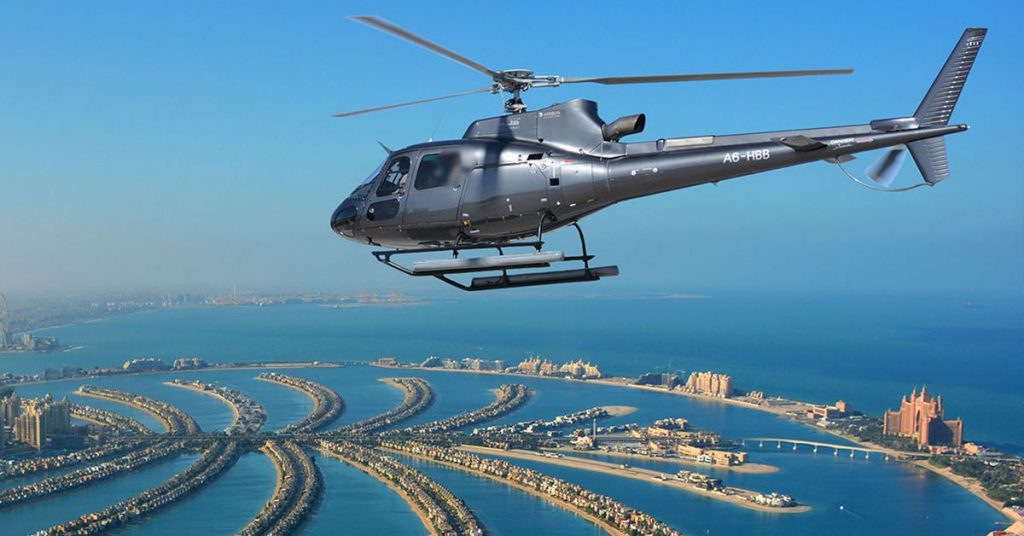
At Dubai Helicopters Ride, professional pilots are trained to manage every kind of movement, forward, backward, and hover, while ensuring complete passenger safety. It’s one of the reasons helicopter tours in Dubai are among the smoothest and safest in the world.
Experience Expert Control in the Sky
While most helicopter rides move forward to cover the city’s highlights, you’ll often see subtle backward maneuvers during turns or landings. It’s a glimpse into the pilot’s skill and how precisely helicopters can move in any direction.
If you want to see this incredible control in real life, book your flight today with:
- 12 mins helicopter tour Dubai
- 17 mins helicopter tour Dubai
- 22 mins helicopter tour Dubai
- 30 mins helicopter tour Dubai
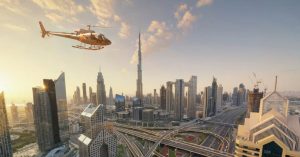
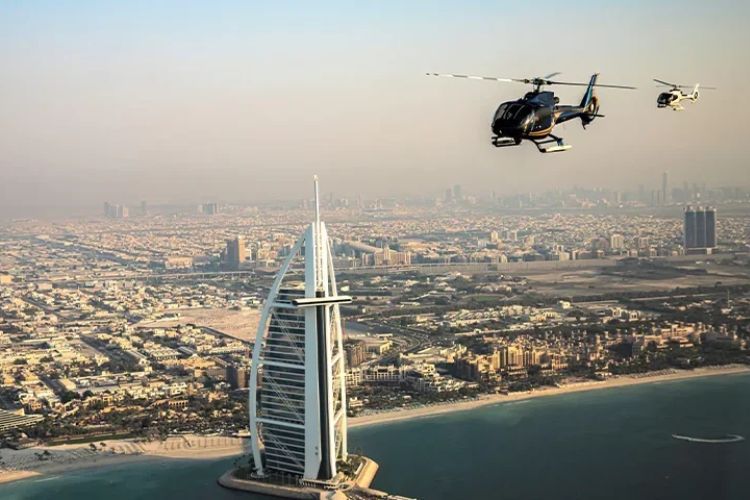
From the air, you’ll witness Dubai’s skyline from every possible angle, even as your pilot hovers or slightly moves backward for that perfect panoramic shot.
Final Thoughts About Can Helicopters Fly Backwards?
So yes, helicopters can and do fly backwards. It’s a sign of just how flexible and advanced these aircraft are. Every movement, whether forward or reverse, is guided by technology, training, and trust in the hands of skilled pilots.
Next time you see a helicopter floating in the air, remember, it’s not just flying, it’s dancing with the wind.